How Independent Creators Are Competing With Major Studios

Independent creators are no longer operating on the fringes of entertainment. Digital platforms have lowered barriers that once protected major studios, giving individuals and small teams direct access to global audiences. With affordable tools, flexible distribution, and strong audience connections, independent creators now release films, series, music, and interactive content that rival studio output in reach and impact. Viewers increasingly value originality and authenticity over large budgets. This shift has allowed creators to build loyal followings without traditional backing. As attention becomes the most valuable currency, independent voices are proving they can compete by moving faster, adapting quicker, and connecting more directly with audiences.
Direct Distribution Bypassing Traditional Gatekeepers
One major advantage independent creators hold is direct distribution. Platforms allow content to reach audiences instantly without studio approval or theatrical schedules. This access removes delays and reduces dependency on traditional gatekeepers. Creators can test ideas quickly, adjust based on feedback, and release updates without long production cycles. Studios often move more slowly due to layered decision-making and fixed release strategies. Direct publishing lets creators stay relevant in fast-moving trends while maintaining creative control. This immediacy helps independent projects gain traction faster and build momentum through consistent visibility rather than large promotional launches.
Lower Production Costs With Smarter Tools

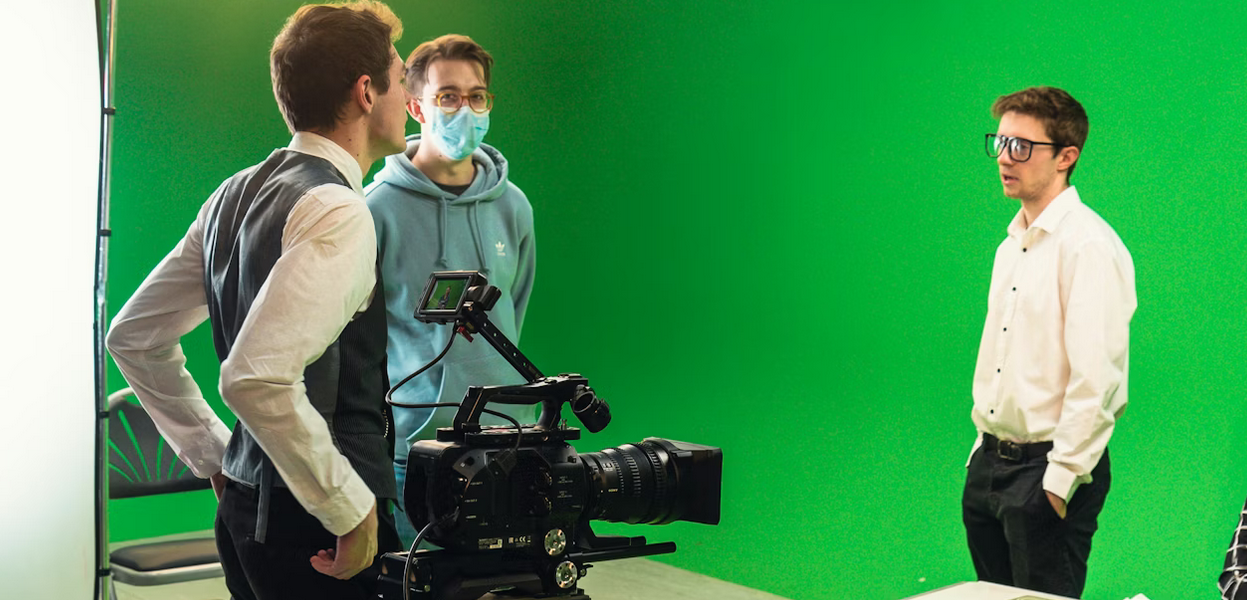
Advances in technology have dramatically reduced production costs. High-quality cameras, editing software, and sound tools are now affordable and widely accessible. Independent creators can produce polished content from small spaces with minimal crews. This efficiency allows experimentation without risking massive budgets. Studios invest heavily in infrastructure and marketing, while creators focus resources on storytelling and audience engagement. Lean production models support frequent releases and faster turnaround times. When combined with strong creative direction, lower costs allow independent creators to compete on quality while maintaining flexibility that large studios often lack.
Stronger Audience Relationships and Community Building
Independent creators excel at building close relationships with their audiences. Social platforms allow direct interaction through comments, live streams, and behind-the-scenes content. This engagement creates loyalty that studios struggle to replicate. Audiences feel more invested in creators than in brands, leading to stronger support and organic sharing. Feedback loops help creators refine content quickly based on viewer response. This sense of community turns audiences into promoters. Studios often rely on large-scale marketing, while creators grow through trust and connection, giving them an advantage in sustaining long-term interest.
Faster Adaptation to Trends and Formats
Entertainment trends shift rapidly, and independent creators adapt faster than major studios. Short-form video, interactive storytelling, and niche genres often gain popularity before studios respond. Creators experiment freely without waiting for approval or funding cycles. This speed allows them to capture attention early and establish authority within emerging formats. Studios eventually follow, but by then, audiences may already be loyal to independent voices. Adaptability gives creators an edge in a digital environment where relevance depends on timing and responsiveness rather than scale alone.
Independent creators are competing with major studios by combining speed, flexibility, and direct audience connection. Affordable tools, direct distribution, and community-driven growth allow creators to deliver impactful content without massive budgets. While studios still offer scale and resources, creators thrive through authenticity and adaptability. The balance of power continues to shift as audiences prioritize connection over spectacle. In a digital-first entertainment landscape, independent creators are no longer alternatives; they are serious competitors shaping what audiences watch, support, and share every day.